















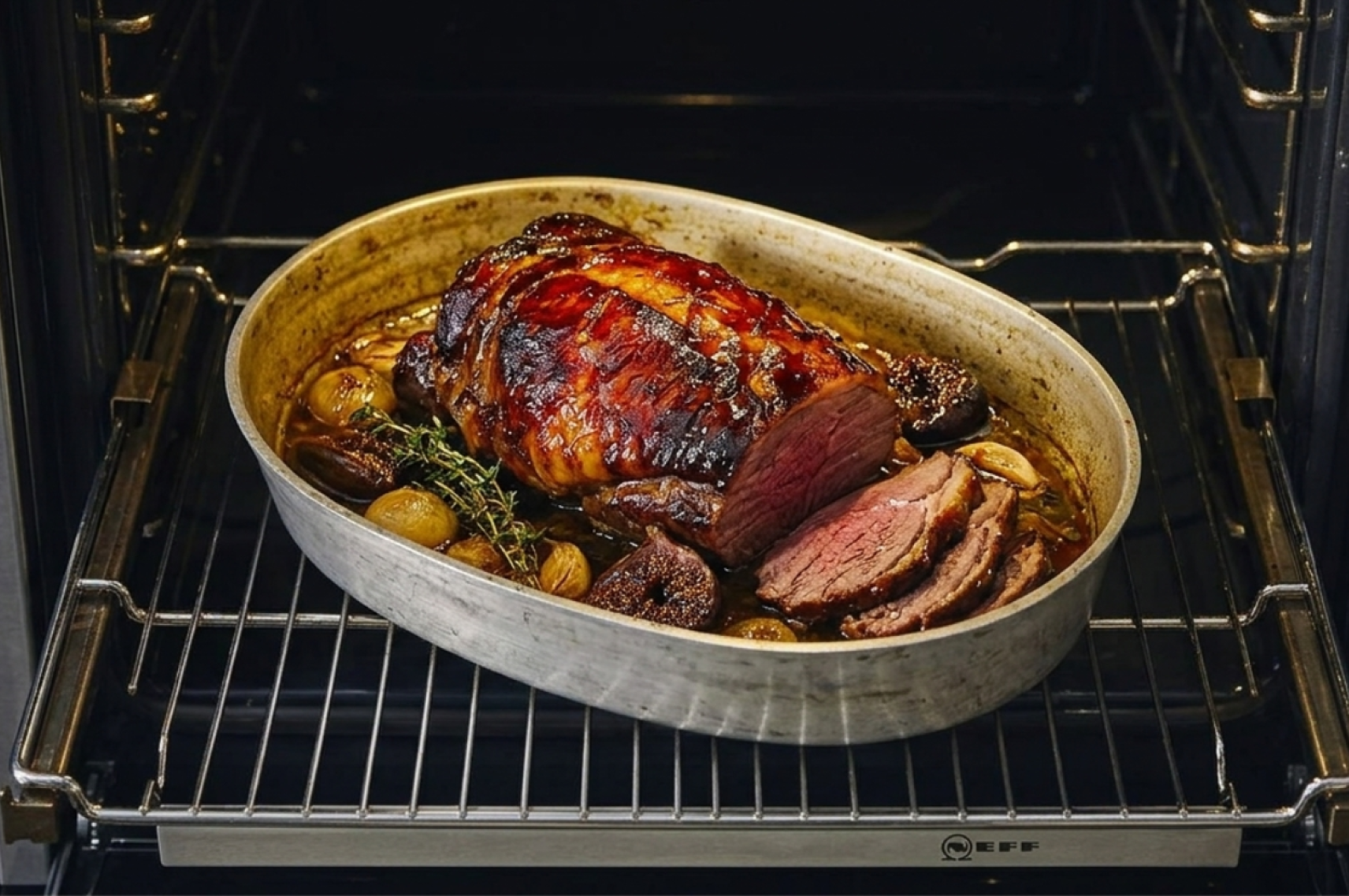
Converting slow cooker settings
Slow cookers typically use low, medium, and high settings, which can vary between brands and don’t always correspond to precise temperatures. Steam ovens, by contrast, offer greater control and consistency.
For slow cooker dishes without meat, such as legumes, vegetable stews, or soups, use full steam. Set the temperature to 85°C for canned or pre-cooked beans and pulses, and 100°C for vegetables or dried, uncooked legumes.
For dishes containing meat or poultry, use a combination steam setting. Chicken and tender cuts of meat perform well at 150-160°C with a 30% (or low) steam setting. Tougher cuts benefit from a lower temperature of 130-140°C at 30% humidity, allowing them to become tender over a longer time without drying out.
Adjusting cooking times
Steam ovens offer significantly reduced cooking times compared to traditional slow cookers. As a guide, slow cooker recipes often take only a third to half of the original time. For example, a recipe that specifies six hours on a low slow cooker setting should take two to three hours in a steam oven.
Cooking time differences do vary depending on the ingredients used. Grain-fed meats tend to tenderise more quickly than grass-fed, and naturally tender cuts always cook faster than tougher ones.
Even with the forgiving nature of slow cooking, timing remains important. Undercooked meat will be firm, while overcooked meat may become dry and stringy. Overcooking meat is more of a risk with a steam oven because the cooking process is sped up.
Because of this, begin checking dishes for readiness earlier than expected. Vegetables should be fully tender and meat should separate easily into soft, moist shreds when tested with a fork.
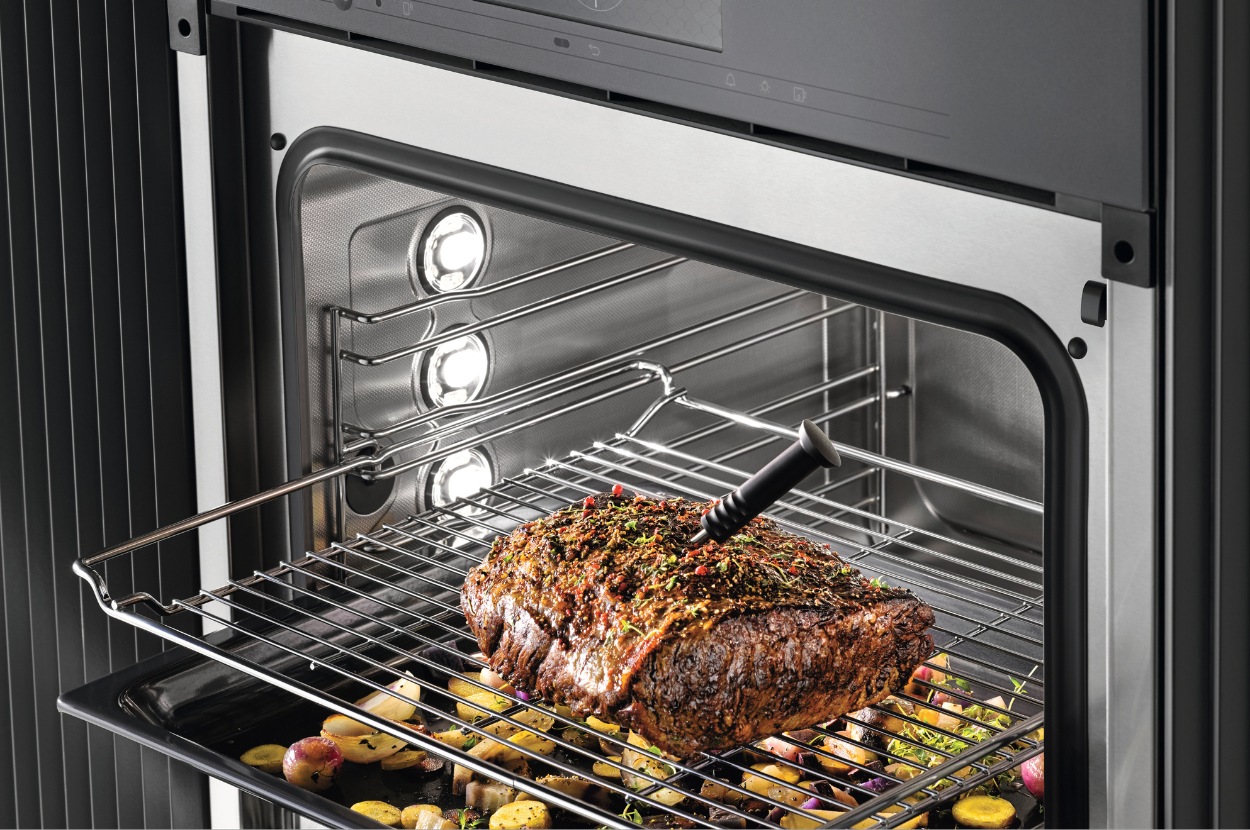
Use less liquid!
Because steam ovens operate in a sealed, moist environment, far less liquid is required than in a slow cooker.
For meat-based recipes, reduce liquid quantities by half. For vegetable-based dishes, additional liquid may not be necessary at all, as many ingredients like mushrooms, tomatoes and zucchini release moisture during cooking. This moisture remains in the oven, and in your dish, rather than evaporating as it would in a slow cooker.
Do consider flavour and seasoning when reducing liquids. Stocks and sauces often contribute seasoning as well as volume, so using concentrated alternatives such as stock powder or paste can help maintain depth of flavour without excess liquid.
If you don’t get it quite right and a dish contains more liquid than desired after steam oven slow cooking, it can be adjusted by removing some of the sauce or reducing it on the cooktop.
Managing steam
Steam levels play a key role in achieving the best results. While steam helps retain moisture and improves heat transfer, too much can negatively affect texture, particularly in meat dishes.
For non-meat recipes, higher steam levels (80–100%) are ideal, provided liquid quantities have been adjusted. Vegetables and legumes benefit from this moist environment and cook efficiently under these conditions.
For meat-based dishes, around 30% steam (also shown as level 1 or low steam, depending on your oven’s terminology) gives the best balance. This amount of steam supports even cooking while helping maintain a tender, succulent texture without causing the meat to become dry.
By applying these guidelines, slow cooker recipes can be successfully adapted for use in any steam oven, delivering excellent results with greater efficiency and control.
Download the handy Steam Oven Slow Cooking Quick Reference Chart and make changes to all of your favourite slow cooker recipes to recreate them perfectly in your oven.