















Many households rely on countertop, fridge, or microwave methods for defrosting food, but did you know a steam oven offers efficient and reliable results for defrosting? Using your steam oven for this essential kitchen task, you’ll be able to defrost a wide variety of foods evenly, quickly, and with improved texture over other methods.
Read our advice on food types, safety guidelines, and best practice for defrosting using your steam oven, and then print out our handy Steam Oven Defrosting Table to keep with you in the kitchen!
Why Use a Steam Oven for Defrosting?
Steam ovens use moisture and gentle, consistent heat to defrost food more evenly and quickly than traditional methods. The moisture in the oven conducts heat faster than a dry oven at the same temperature, and helps to stop your food from drying out, even if it’s uncovered.
We all know that microwave defrosting can leave food rubbery, and countertop defrosting is slow and has big food safety concerns. Steam oven defrosting lets food go from the freezer to the table while keeping its flavor and texture intact.
Suitable Foods for Steam Oven Defrosting
A wide variety of frozen food can be successfully defrosted in a steam oven. Thin, flat portions of meats and poultry work exceptionally well - think steaks, chicken breasts and mince. Delicate proteins like fish and shellfish are also good candidates, because they retain their texture well with this gentle mode of defrosting.
Baked goods such as bread or pastries can also be defrosted with steam, and can even be reheated using combi steam afterwards, for a freshly baked taste and texture. Frozen, already-cooked meals like soups, casseroles and pasta bakes can also be defrosted and reheated in your steam oven so they look and taste as good as freshly made.
Essential Food Safety Guidelines
Food safety is paramount: large joints of meat or whole poultry should not be defrosted in a steam oven due to the risk of uneven defrosting and prolonged exposure to unsafe temperatures. These are best defrosted in the fridge overnight.
Foods defrosted in a steam oven should be cooked immediately and never returned to the refrigerator for later cooking.
Best Practices for Freezing and Defrosting
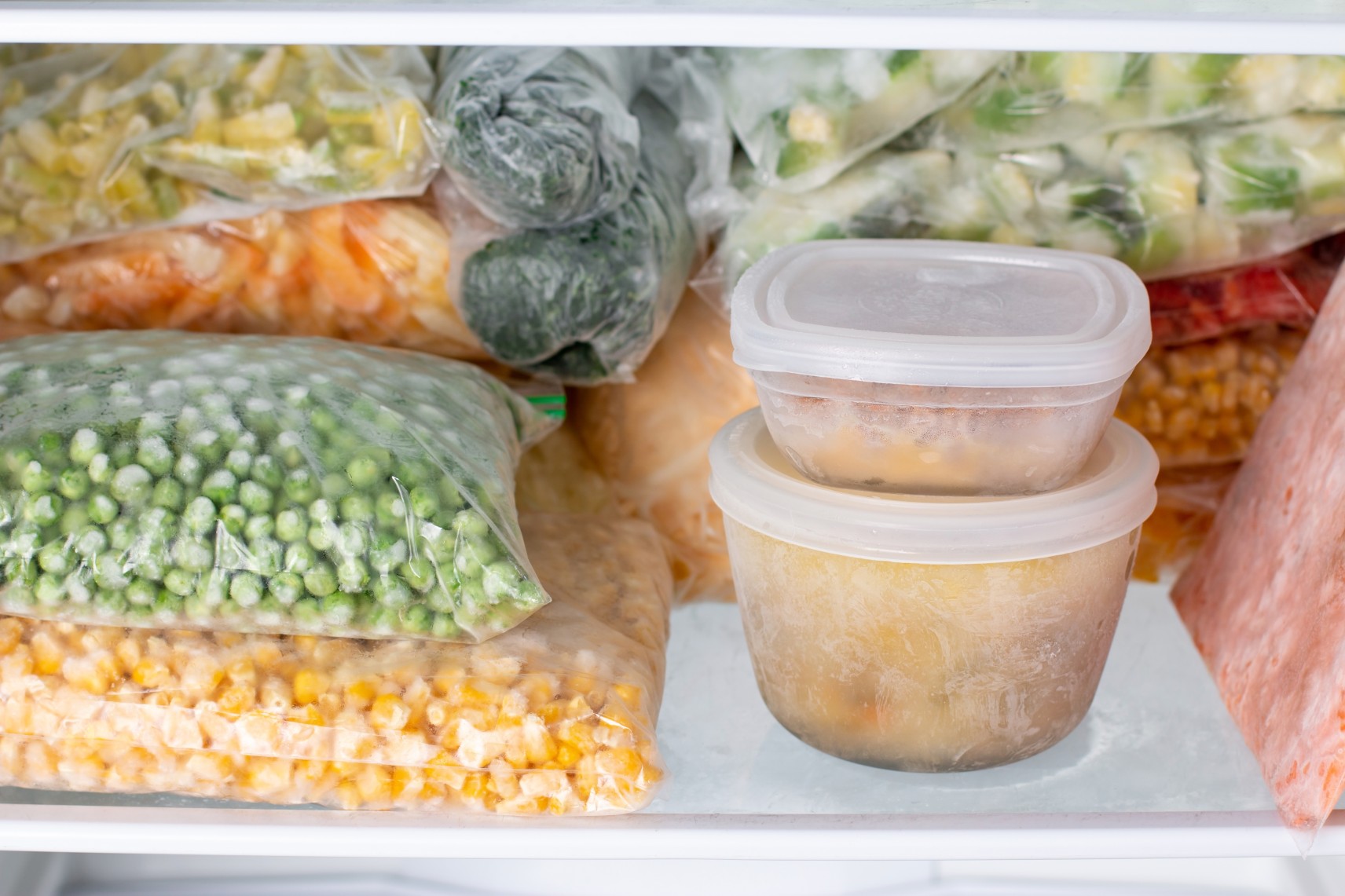
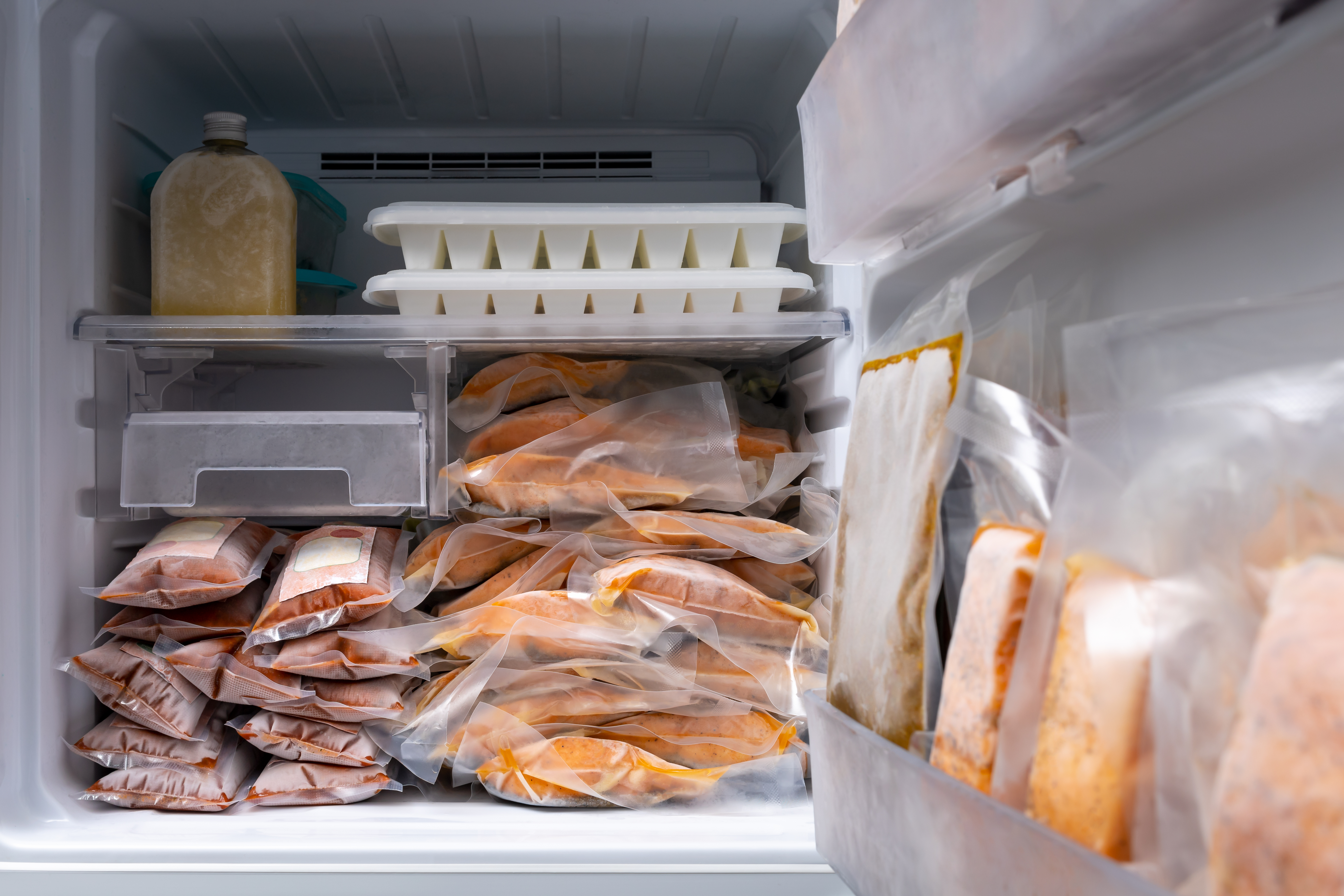
For best results, freeze foods in thin layers or small portions. Vacuum sealing is highly effective, allowing direct transfer from freezer to oven and preserving freshness. Freezing in shallow containers or resealable bags is a good substitute if you’re seeking to reduce single-use plastics.
Always remove bulky packaging and container lids for the most efficient defrosting; the more the oven’s humid air can make direct contact with the surface of your food, the faster it will defrost.
Contrary to other methods, steam oven defrosting can be done uncovered because the moisture in the oven will stop the surface of the food from drying out.
Recommended Steam Oven Temperatures for Defrosting
Temperature control is crucial. For meat, poultry, fish, and pre-cooked meals, defrost at around 30°C and cook immediately. Breads and cakes can be defrosted at higher temperatures, typically around 50°C. Most steam ovens include preset defrost settings; check your appliance manual for food-type-specific instructions.
Final Tips
Preset defrosting programs are convenient, but do make sure your food is in an appropriate form for even results. For specific defrosting times and settings, consult your oven’s user manual or take a look at our Steam Oven Defrosting Table for reference.
Steam ovens provide a safe, quick, and high-quality method for defrosting a variety of foods when used correctly, making them truly an essential tool in your kitchen.